
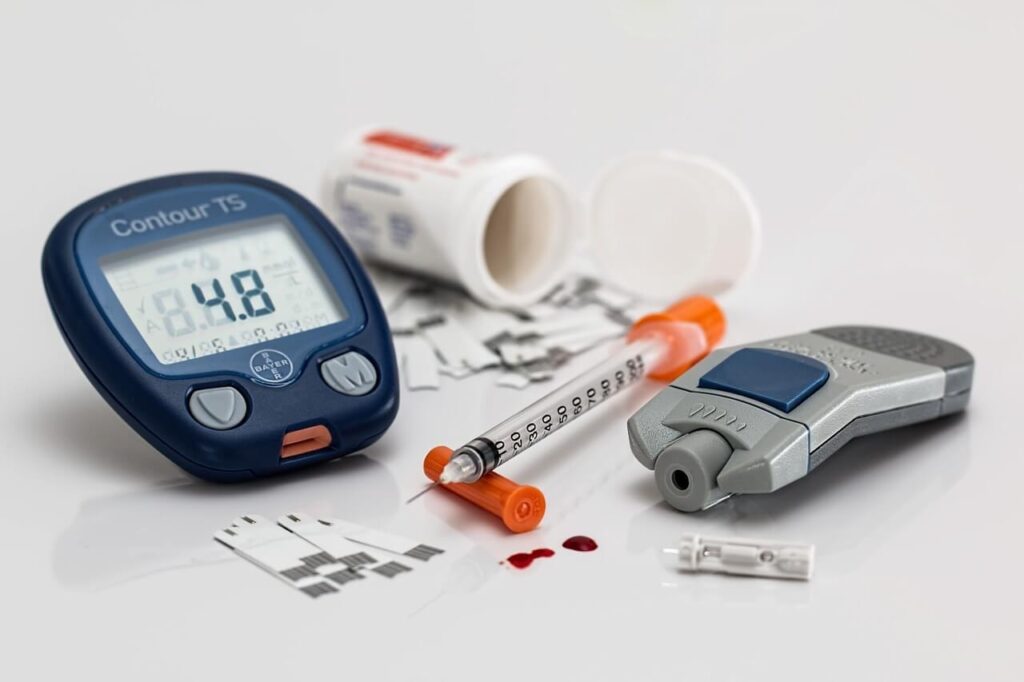
Having diabetes does not automatically mean you cannot qualify for life insurance. Many people with Type 1 or Type 2 diabetes are able to obtain coverage. The bigger question is what specifically policies may be available, how much it will cost, and whether it fits your needs.
Every Life insurance company looks at diabetes differently. The basics start with the type of diabetes, how long you’ve had it, how it has been treated, how well it is controlled, and whether there are other health concerns.
Two people with diabetes can have very different underwriting outcomes, even if they are the same age or have been diagnosed for a similar length of time.
If you have diabetes and are considering life insurance, here are some things worth understanding before you apply.
Can You Get Life Insurance If You Have Diabetes? Yes.
Having diabetes does not automatically disqualify you from getting life insurance. Many people with Type 1 or Type 2 diabetes can qualify for coverage, although the available policies and premiums depend on their individual health and medical history.
The type of diabetes, age at diagnosis, A1c levels, medications, insulin use, and any diabetes-related complications can all affect the outcome. Even people with similar medical histories may receive different offers from life insurance companies.
The short answer: You may have more options than you think, but the right coverage and cost depend on your individual circumstances.
How Life Insurance Companies Evaluate Diabetes
Life insurance companies look at more than whether you have been diagnosed with diabetes. They want to understand how the condition has affected your health and how it is being managed.
Some of the factors that may influence an underwriting decision include:
- Type of diabetes: Type 1 and Type 2 diabetes are evaluated differently.
- Age at diagnosis: How old you were when diabetes was first diagnosed can matter.
- Length of time with diabetes: The duration of the condition is part of the overall assessment.
- A1c levels: Your recent A1c results help show how well your blood sugar has been controlled.
- Treatment: Whether you use insulin, oral medications, or other treatments is important.
- Overall health: Height, weight, blood pressure, cholesterol, and other medical conditions can affect the outcome.
- Complications: A history of neuropathy, retinopathy, kidney disease, cardiovascular problems, or other complications may significantly affect eligibility and pricing.
No single factor necessarily determines the outcome. Insurers consider the overall picture, and different applicants with diabetes can receive very different offers.
Life Insurance for Type 1 Diabetes
Type 1 diabetes requires ongoing insulin treatment, and life insurance companies take that into consideration when evaluating an application.
That does not mean life insurance is unavailable. Applicants with Type 1 diabetes may still qualify for coverage, depending on their age, length of time since diagnosis, A1c history, treatment, and overall health.
The presence of other medical conditions or diabetes-related complications can make the evaluation more challenging.
It is important to understand that good diabetes management can help, but it does not necessarily eliminate the additional underwriting considerations associated with Type 1 diabetes.
Life Insurance for Type 2 Diabetes
Type 2 diabetes can present a wider range of underwriting possibilities.
Some people manage their diabetes through diet and exercise, while others take oral medications, injectable medications, or insulin. The treatment approach, along with A1c levels and other health factors, helps insurers assess the overall risk.
Someone diagnosed later in life with well-controlled Type 2 diabetes and no significant complications may have different options than someone who was diagnosed at a younger age and has a longer history of treatment or additional health concerns.
The fact that you take medication for diabetes does not automatically mean you will be declined or limited to a particular type of policy.
Life insurance companies also look beyond diabetes itself when evaluating an application. Your overall health plays an important role in the decision. Factors such as excess weight, blood pressure, cholesterol, physical activity, and other existing health conditions can influence how an insurer views your application. For example, someone with well-controlled Type 2 diabetes who maintains a healthy weight and has no significant additional health concerns may present a very different risk than someone whose diabetes is accompanied by several other health issues.
Life Insurance for Insulin-Dependent Diabetics
Taking insulin is an important factor in life insurance underwriting, but it does not automatically mean you cannot get coverage.
This applies to people with Type 1 diabetes as well as people with Type 2 diabetes who require insulin.
Insurers may consider:
- How long you have been using insulin.
- Your daily insulin requirements.
- Whether your A1c levels are stable.
- Whether you have experienced significant blood sugar complications.
- Whether you have other medical conditions or diabetes-related complications.
Insulin use can affect both eligibility and the rate you are offered. Even when diabetes is well managed, an applicant who requires insulin may not qualify for the same rate class as someone managing Type 2 diabetes with oral medication alone.
That said, it is worth looking at the actual circumstances rather than assuming coverage is unavailable.
Does A1c Affect Life Insurance Rates?
Yes. A1c is one of the important pieces of information life insurance companies use when evaluating diabetes.
Your A1c provides an indication of your average blood sugar levels over approximately the previous two to three months. Insurers use this information, along with your treatment history and other medical details, to help assess how well your diabetes is controlled.
A lower, stable A1c may be viewed more favorably than consistently elevated results. However, there is no single A1c number that guarantees approval or a particular rate.
An insurer may also look at previous A1c results rather than relying only on your most recent test. A pattern of improvement or deterioration can be relevant to the overall assessment.
What If I Have Diabetes-Related Complications?
Diabetes complications can make obtaining life insurance more difficult, but the type and severity of the complication matter.
Some of the conditions insurers may consider include:
- Diabetic neuropathy.
- Diabetic retinopathy or vision problems.
- Kidney disease or impaired kidney function.
- Heart disease, heart attack, or stroke.
- Circulation problems.
- History of diabetic ulcers or amputations.
The details matter. For example, mild neuropathy is not necessarily evaluated the same way as advanced neuropathy affecting mobility or daily activities.
If you have diabetes along with other medical conditions, it is important to look at the entire medical picture rather than treating each diagnosis as an automatic disqualification.
For a closer look at more complicated medical histories, see our guide to Life Insurance for Diabetics with Complications.
What Types of Life Insurance Are Available?
The type of coverage that makes sense depends on your age, health, budget, and what you want the insurance to accomplish.
Term Life Insurance
Term life insurance provides coverage for a specified period, such as 10, 15, 20, or 30 years. It is often used for larger coverage needs, such as protecting a mortgage, replacing income, or providing financial security for a family. Coverage amounts of $100,000 or more are common.
People with diabetes may qualify for term life insurance, but medical underwriting can be more challenging, particularly when diabetes is accompanied by other health concerns. The insurer will evaluate your diabetes management, treatment, overall health, and medical history before determining whether coverage is available and at what cost.
Guaranteed Universal Life Insurance (GUL)
Guaranteed Universal Life insurance is another option worth considering for people who want permanent life insurance coverage without the cash-value emphasis of traditional whole life insurance.
GUL policies can provide substantial coverage amounts and are designed to keep coverage in force for life when the required premiums are paid and policy guarantees are maintained.
However, these policies still require medical underwriting. Having diabetes does not automatically prevent you from qualifying, but your diabetes needs to be reasonably well managed, and the insurer will consider your overall health and medical history.
Whole Life Insurance
Whole life insurance provides permanent coverage as long as the policy remains in force and required premiums are paid. It may be appropriate for someone who wants lifelong protection and predictable premiums.
Most whole life policies require at least some basic medical underwriting, while other policies offer guaranteed acceptance with different costs and limitations.
Final Expense Insurance
Final expense insurance is generally designed to provide a smaller amount of coverage to help with funeral expenses and other end-of-life costs.
People with diabetes may have options through this type of coverage, including situations where traditional life insurance is difficult to obtain. However, policy benefits, waiting periods, and eligibility requirements vary.
The right policy is not necessarily the one with the easiest application or the lowest advertised premium. It is the one that actually addresses your needs and provides coverage you can afford to keep.
Should You Apply for Life Insurance If You Have Diabetes?
Before submitting an application, we believe it is important to understand what you may realistically qualify for.
One common mistake is assuming you cannot get coverage because you have diabetes or other health problems. That can lead people to overlook policies that may have been available to them.
The opposite can also happen, too. Someone may assume they will qualify for the best rates because their diabetes is well controlled, only to receive a higher premium or an unfavorable underwriting decision.
Online information can help you understand the basics, but it cannot tell you exactly how an insurance company will evaluate your individual circumstances. Diabetes is just part of your health profile and there are other factors an insurer considers in combination with the diagnosis.
Even two people with the same type of diabetes may have different outcomes because of their age, build, treatment, medical history, coverage needs, and other factors.
Research is a good starting point. Knowing how to apply what you’ve learned to your own situation is where professional guidance can make a difference and likely save you money in the process.
Talk With an Independent Life Insurance Agent
At Maple Valley Insurance Group, we work with people who have a variety of health histories, including Type 1 and Type 2 diabetes.
It’s also important to understand that life insurance underwriting involves more than evaluating your diabetes or other medical conditions. Depending on the type and amount of coverage you’re seeking, insurers may consider other aspects of your personal history and circumstances.
These evaluations can become quite involved, particularly with larger term life policies, guaranteed universal life insurance, and substantial whole life coverage. Explaining every underwriting consideration is well beyond the scope of this article.
If you want to understand how your individual circumstances may affect your options, that’s something worth discussing with an experienced independent life insurance professional.
Our approach is to understand what you are trying to accomplish, learn about your health circumstances, and help identify realistic life insurance options.
We don’t believe in making promises about approval or quoting a rate before we understand the situation. The goal is to help you understand what may be available so you can make an informed decision.
Don’t assume you’re insurable just because you want the coverage. And don’t assume you’re uninsurable just because you’ve had health problems. Find out what your actual options are before making that decision.
If you have diabetes and would like to discuss life insurance, give us a call. We’re happy to listen, answer your questions, and help you understand where you stand.
You’ve done your research and have a better understanding of how diabetes can affect your life insurance options. Now let’s look at your individual circumstances and discuss what’s realistically available.
Whether you’re considering term life insurance, permanent coverage, or aren’t sure which direction makes sense, we can help you understand your choices before you submit an application.