
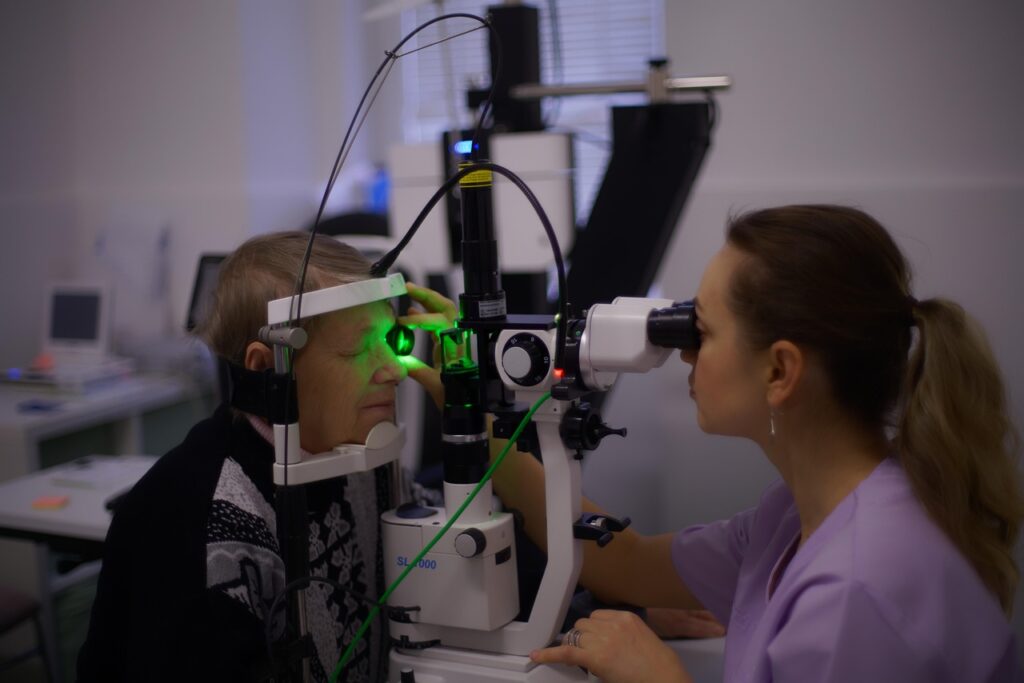
If you’ve been diagnosed with diabetic retinopathy, life insurance probably didn’t get easier afterward.
A lot of people with eye complications hear the same things:
- “You’re high risk.”
- “You’ll be rated up.”
- “Guaranteed issue is probably your only option.”
That’s not always true — but it’s also not something you want to guess at. Diabetic retinopathy raises real underwriting concerns, especially when vision loss is involved. Severity, stability, and progression matter far more than the diagnosis itself. Some people with retinopathy still qualify for first-day coverage. Others don’t. The difference comes down to details most people don’t know how to evaluate on their own.
How Life Insurance Companies Look at Diabetic Retinopathy
From an insurer’s perspective, retinopathy signals vascular damage caused by diabetes, which may affect not just eyesight but overall health. Underwriters typically focus on:
- Type of retinopathy (background vs. proliferative)
- Degree of vision impairment
- Progression over time
- Treatment history (laser therapy, injections, surgery)
- Overall diabetic control, including A1C trends
Someone with mild or stable retinopathy that hasn’t progressed in years is evaluated very differently than someone with ongoing vision loss or recent aggressive treatment.
Need guidance now? Call us at 269-244-3420 or request help from an advisor to see your options for retinopathy coverage.
Common Outcomes With Retinopathy
- Mild to moderate retinopathy
Often eligible for graded or simplified whole life policies. First-day coverage may still be possible depending on stability and other health factors. - Severe or recent complications (e.g., amputations, rapidly progressing vision loss)
Most carriers handle these cases cautiously. In many situations, guaranteed issue may be the only available option, especially if the complication occurred within the last couple of years. - Trajectory still matters
Even with complications, carriers look at how well your diabetes and related issues have been managed. Those with stable retinopathy, consistent treatment, and improvements in labs may still access better coverage than guaranteed issue.
Policy Types That May Still Be Available
Graded / Simplified Whole Life Policies
- Smaller face amounts
- Often forgiving underwriting
- First-day coverage may still be possible, even with complications
No-Exam Policies
- Faster approvals
- Fewer health questions
- Coverage amounts reflect risk, but benefits aren’t delayed
Guaranteed Issue Life Insurance
- Always available
- Higher cost
- Two-year limited benefit period
- Full payout only if death is accidental during the waiting period
Guaranteed issue is a last resort, not the default.
Don’t Try to Self-Qualify
Many people see “eye disease” and assume insurers will treat them like a terminal illness. That’s not how underwriting works.
Insurance companies care about trajectory:
- Is the condition stable?
- Has vision been unchanged for years?
- Has A1C improved?
- Has treatment slowed progression?
You can’t sort this out on your own — guessing usually leads to the most expensive, least effective policy.
Real-World Impact on Your Family
Insurance isn’t just about approval. It’s about what happens when the policy is needed.
If the goal is to:
- Cover funeral and burial costs
- Avoid burdening family
- Leave something meaningful behind
Then early benefit limitations matter. A convenient policy that doesn’t pay out when expected can leave loved ones scrambling — even though everything was done with good intentions.
When It’s Time to Talk to an Expert
If you have diabetic retinopathy, don’t navigate life insurance alone.
Most companies don’t want these cases. They’ll either:
- Overprice them
- Decline them
- Funnel them straight into guaranteed issue
An independent life insurance advisor or broker can:
- Identify carriers that still consider retinopathy cases
- Determine whether first-day coverage is realistic
- Help you avoid policies that cost more and deliver less
Sometimes guaranteed issue is truly the only option. When that’s the case, at least you’ll understand why, the tradeoffs, and what your family can realistically expect.
But many people never discover better options because they never ask the right person.
If you’ve been diagnosed with diabetic retinopathy, get real guidance before assuming the worst. Your family deserves clarity — not guesswork.
Confused about your eligibility? Speak with an independent advisor who knows which carriers are flexible with diabetic complications. Call now or request help.
Whether you have coverage or are just researching, we can help you compare plans and explore your options.